
Pregnancy
Feeling Baby Move: First Kicks, Kick Counts & What's Normal
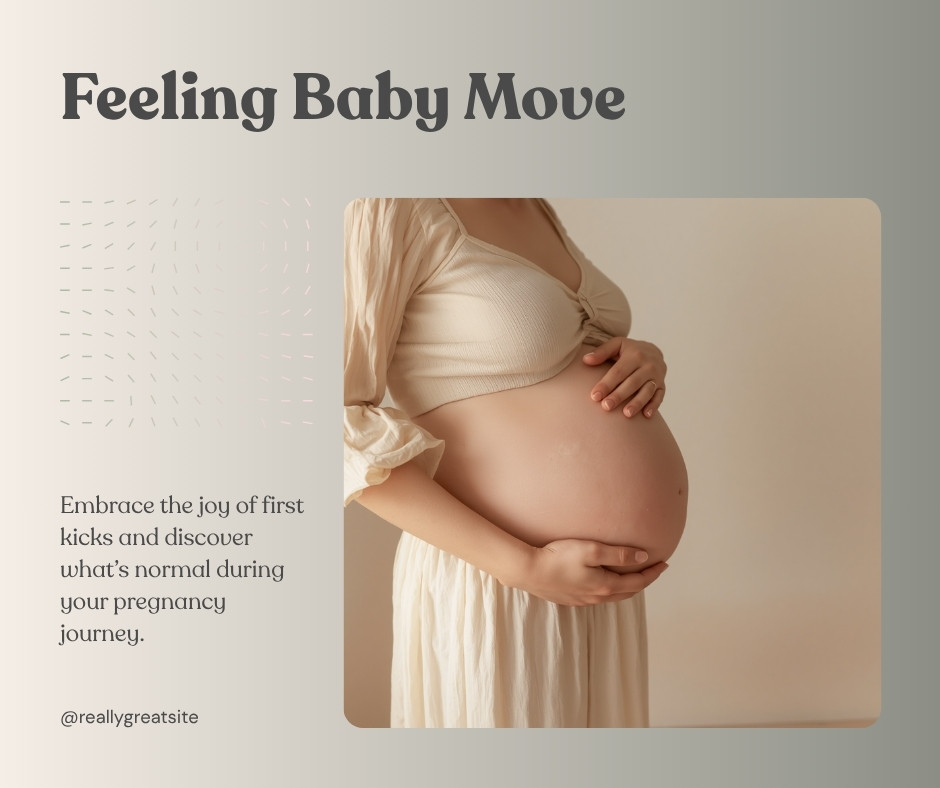
Few moments in pregnancy are as thrilling as that first flutter. Feeling your baby move is reassuring, exciting, and — later on — an important signal of wellbeing. Here's what to expect and how to keep track.
A note of care: This is general information, not medical advice. Always report reduced or changed movement to your provider promptly.
When Will I First Feel Baby Move?
Those first flutters — called "quickening" — usually arrive between 16 and 25 weeks. First-time parents often feel them later than those who've been pregnant before. Early movements can feel like bubbles, popcorn, or a light tapping.
How Movement Changes by Trimester
Second trimester
Gentle flutters become more distinct kicks and rolls as your baby grows stronger.
Third trimester
Movements are bigger and more regular, then may feel different (more squirming than kicking) as space gets tight — but they should not stop or significantly decrease.
How to Do Kick Counts
From around 28 weeks, many providers suggest tracking movement daily. A common method, per Count the Kicks, is to pick a time your baby is usually active, get comfortable on your side, and time how long it takes to feel 10 movements. Over time you'll learn your baby's normal pattern. Resting on your side — see our pregnancy sleep guide — is a good time to feel movement.
When to Call Your Provider — Right Away
Contact your provider or maternity unit immediately if you notice reduced, absent, or significantly changed movement. Do not wait until the next day, and don't rely on home dopplers. Tommy's and ACOG both stress that a change in movement is the key warning sign — it's always okay to get checked.
Frequently Asked Questions
When do you first feel a baby move?
Usually between 16 and 25 weeks; first-time parents often feel it later than those who've been pregnant before.
How many kicks are normal?
There's no universal number — what matters is your baby's individual pattern. Many providers suggest tracking time to 10 movements from 28 weeks.
Is it normal for movement to slow down before labor?
Movements may change in character as space tightens, but they should not stop or significantly decrease. Always report reduced movement.
What should I do if I don't feel my baby move?
Contact your provider or maternity unit right away — the same day. It's always okay to be checked.
References & further reading
Keep reading
Pregnancy Style
The Best Maternity Loungewear for Every Trimester
Discover the softest maternity loungewear for every trimester. A trimester-by-trimester guide to comfy, bump-friendly pieces you'll live in — from Mom Comfort.
Postpartum
Postpartum Recovery Essentials: A Gentle Week-by-Week Guide
A soothing week-by-week postpartum recovery guide covering healing, comfort, and self-care essentials for the fourth trimester. From Mom Comfort.