Pregnancy Wellness
Morning Sickness Remedies: Gentle Ways to Ease Pregnancy Nausea
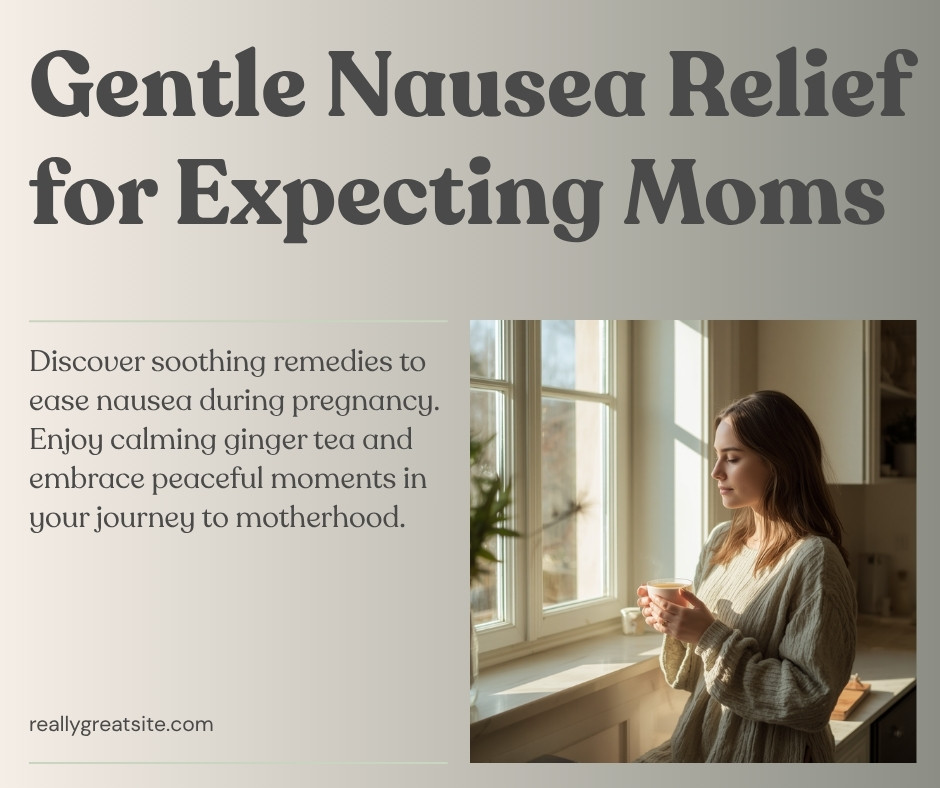
Morning sickness is misnamed — it can strike morning, noon, or night. It affects up to 70% of pregnancies and, while usually harmless, it can make daily life miserable. Here are gentle, evidence-informed ways to feel better.
A note of care: This is general wellness information, not medical advice. Talk to your provider about persistent or severe vomiting.
Why Morning Sickness Happens
Nausea is largely driven by rising pregnancy hormones (especially hCG) and a heightened sense of smell. It typically starts around weeks 6 and eases by weeks 12–14 for many, per the NHS.
Remedies That Actually Help
Eat small, often
An empty stomach makes nausea worse. Graze on small, bland snacks — crackers, toast, bananas — and keep something by your bed to eat before you sit up.
Ginger
Ginger tea, ginger chews, or ginger capsules have real evidence behind them for easing nausea.
Stay hydrated in sips
Small, frequent sips of water, or cold drinks with lemon or mint, are easier to tolerate than large glasses.
Vitamin B6 (and doxylamine)
Vitamin B6 is a first-line option and, combined with doxylamine, is recommended by ACOG — ask your provider before starting.
Acupressure
Wrist acupressure bands (the kind used for motion sickness) help some people.
Manage triggers
Identify and avoid smells or foods that set you off. Fresh air and loose, non-restrictive clothing over your stomach can ease the queasy feeling — see our guide to comfortable pregnancy clothing.
Rest
Fatigue worsens nausea, so rest when you can.
When Nausea Is More Serious
Severe, persistent vomiting that prevents you from keeping food or fluids down may be hyperemesis gravidarum, which needs medical care. Call your provider for signs of dehydration, weight loss, or vomiting blood. Mayo Clinic outlines the warning signs.
Frequently Asked Questions
When does morning sickness start and stop?
It often begins around week 6 and eases by weeks 12–14, though some experience it longer.
What helps morning sickness fast?
Eating small bland snacks, ginger, cold water in sips, and fresh air help many people quickly; vitamin B6 is an evidence-based option.
Is morning sickness a good sign?
It's very common and generally reflects a healthy pregnancy, but its absence doesn't mean anything is wrong.
When should I worry about morning sickness?
If you can't keep fluids down, are losing weight, or feel faint, contact your provider — it may be hyperemesis gravidarum.
References & further reading
Keep reading
Pregnancy Style
The Best Maternity Loungewear for Every Trimester
Discover the softest maternity loungewear for every trimester. A trimester-by-trimester guide to comfy, bump-friendly pieces you'll live in — from Mom Comfort.
Postpartum
Postpartum Recovery Essentials: A Gentle Week-by-Week Guide
A soothing week-by-week postpartum recovery guide covering healing, comfort, and self-care essentials for the fourth trimester. From Mom Comfort.