Postpartum
Pelvic Floor & Core Recovery After Birth: Where to Start
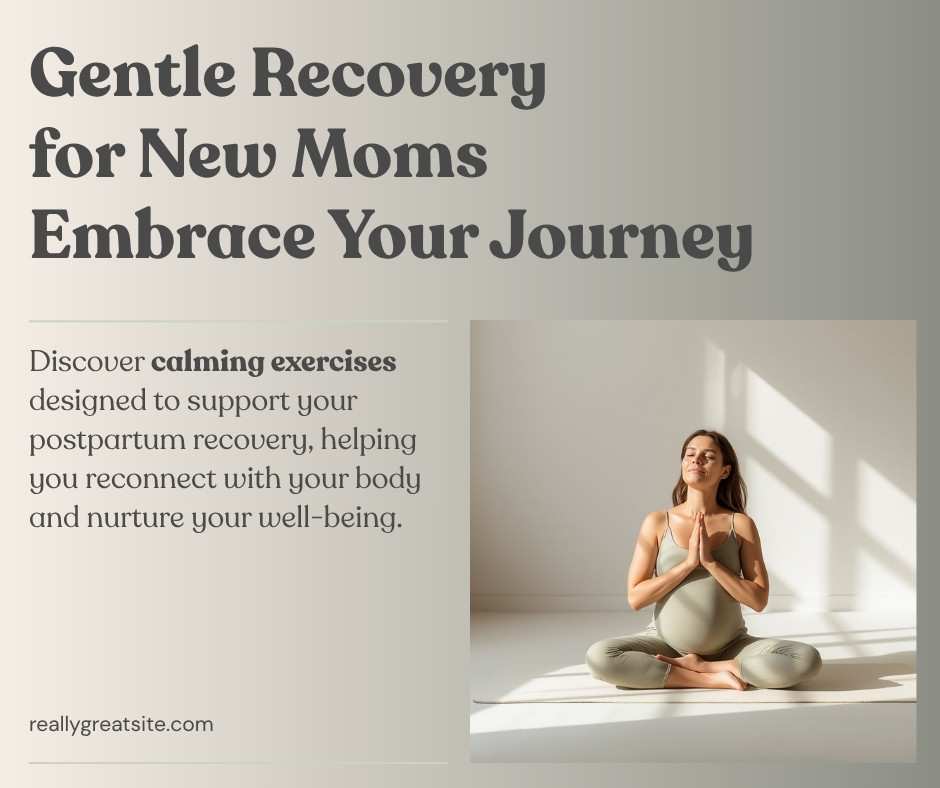
Whether you birthed vaginally or by cesarean, pregnancy asked a lot of your core and pelvic floor. Rebuilding them gently — in the right order — protects you from issues like leaking and back pain and helps you feel strong again. Here's where to begin.
A note of care: This is general wellness information, not medical advice. Get your provider's clearance before starting, and consider a pelvic health physiotherapist.
Meet Your Pelvic Floor and Core
Your pelvic floor is a hammock of muscles supporting your bladder, bowel, and uterus. Together with your deep abdominals, it forms your "inner core." Both stretch and weaken during pregnancy and birth — and both can be rebuilt.
Start With Breath, Not Crunches
In the early weeks, skip sit-ups and planks. Begin with connection: gentle diaphragmatic breathing, exhaling as you softly engage your pelvic floor and lower belly. The NHS and pelvic health experts recommend starting here.
Pelvic Floor (Kegel) Basics
Imagine gently lifting and stopping the flow of urine, then fully relaxing — relaxation matters as much as the squeeze. Quality beats quantity. If you can't feel a contraction or leaking persists, see a pelvic floor PT.
Understanding Diastasis Recti
It's normal for the abdominal muscles to separate during pregnancy (diastasis recti). Many cases resolve with time and gentle, targeted work; avoid movements that "dome" your belly early on. Cleveland Clinic explains what to expect and when to seek help.
A Gentle Progression
- Breath + pelvic floor connection (early weeks)
- Gentle core activation and posture work
- Walking, building duration
- Progressive strength — with clearance, ideally guided
See our exercise guide for how movement evolves, and pair recovery with rest from our postpartum essentials guide.
When to See a Pelvic Health PT
Leaking urine, heaviness or bulging (prolapse symptoms), pain with intimacy, or a gap that isn't improving are all reasons to seek specialist help. In many countries pelvic PT is routine postpartum care — it's worth asking for.
Frequently Asked Questions
When can I start pelvic floor exercises after birth?
Gentle pelvic floor and breathing work can often begin within days for many people, but confirm timing with your provider — especially after a cesarean or complications.
What is diastasis recti?
A normal separation of the abdominal muscles during pregnancy. Many cases improve with time and gentle, targeted exercise; a PT can help if it persists.
Why shouldn't I do crunches right after birth?
Early intense core work can worsen separation and pelvic floor strain. Start with breath and gentle activation, then progress gradually.
When should I see a pelvic floor physiotherapist?
For leaking, heaviness or bulging, pain with intimacy, or a tummy gap that isn't improving — specialist help is very effective.
References & further reading
Keep reading
Pregnancy Style
The Best Maternity Loungewear for Every Trimester
Discover the softest maternity loungewear for every trimester. A trimester-by-trimester guide to comfy, bump-friendly pieces you'll live in — from Mom Comfort.
Postpartum
Postpartum Recovery Essentials: A Gentle Week-by-Week Guide
A soothing week-by-week postpartum recovery guide covering healing, comfort, and self-care essentials for the fourth trimester. From Mom Comfort.