Postpartum
Postpartum Depression & Anxiety: Signs, Support, and Hope
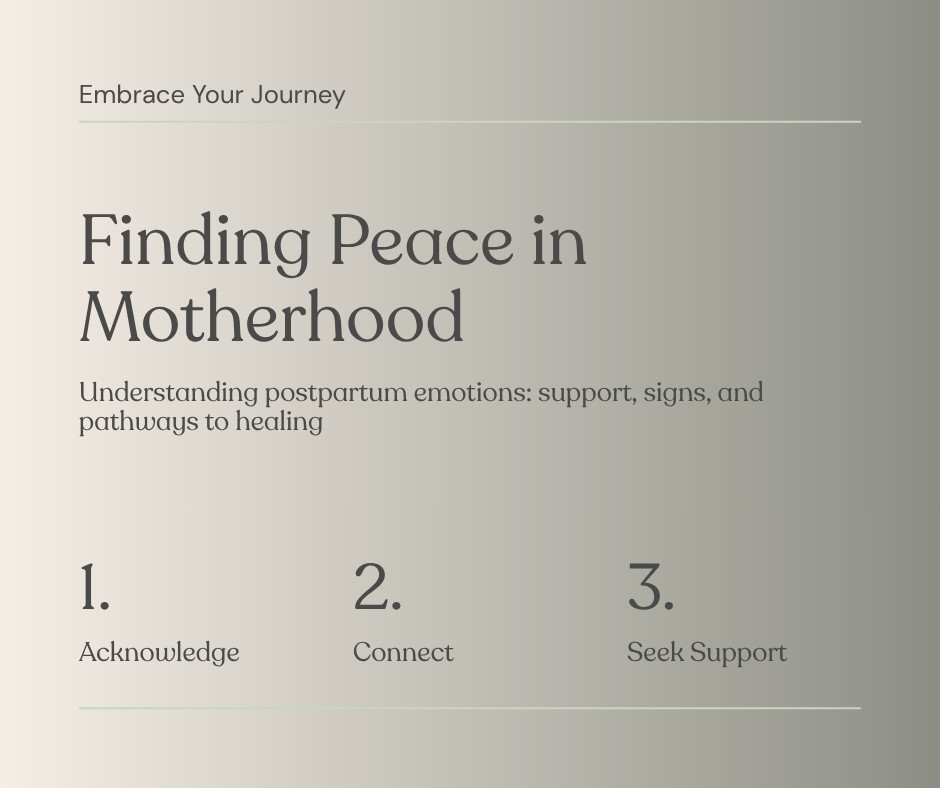
If the fourth trimester feels heavier than you expected, please know this: you are not alone, it is not your fault, and help works. Postpartum mood and anxiety disorders are among the most common complications of childbirth — and among the most treatable.
A note of care: This is general information, not medical advice. If you're in crisis or having thoughts of harming yourself or your baby, call or text 988 (US Suicide & Crisis Lifeline) or your local emergency number now.
Baby Blues vs. Postpartum Depression
The "baby blues" — tearfulness and mood swings — affect most new parents in the first two weeks and fade on their own. Postpartum depression (PPD) is more intense, lasts longer, and interferes with daily life. Per Postpartum Support International, it can begin any time in the first year.
Signs to Watch For
Postpartum depression
- Persistent sadness, emptiness, or hopelessness
- Loss of interest or joy, including in the baby
- Trouble bonding, guilt, or feeling like a "bad" parent
- Changes in sleep or appetite beyond newborn norms
- Thoughts of harming yourself or your baby
Postpartum anxiety
- Constant worry or racing thoughts
- Feeling on edge, restless, or unable to relax
- Physical symptoms — racing heart, nausea, trouble sleeping even when baby sleeps
- Intrusive, frightening thoughts
Who Is at Risk?
PPD and anxiety can affect anyone. A personal or family history of depression or anxiety, a difficult birth, limited support, or sleep deprivation can raise the risk — but they can occur with none of these.
Getting Help Works
Effective help includes therapy, peer support, and sometimes medication (many options are compatible with breastfeeding). Start by telling your provider honestly how you feel — ACOG recommends screening and treatment. Protect rest and lean on your postpartum support plan and gentle self-care rituals.
Where to Turn Right Now
- 988 Suicide & Crisis Lifeline (call or text 988) for immediate support
- Postpartum Support International helpline — call 1-800-944-4773 or text "Help" to 800-944-4773
- Your OB, midwife, or primary care provider
Frequently Asked Questions
What's the difference between baby blues and postpartum depression?
Baby blues are mild and fade within two weeks; postpartum depression is more intense, lasts longer, and interferes with daily life — and needs treatment.
When does postpartum depression start?
It can begin any time in the first year after birth, not only in the early weeks.
Is postpartum anxiety a real condition?
Yes — postpartum anxiety involves persistent worry, racing thoughts, and physical tension, and it's common and treatable.
How is postpartum depression treated?
With therapy, peer support, and sometimes medication (including options compatible with breastfeeding). Talk to your provider — recovery is very possible.
References & further reading
Keep reading
Pregnancy Style
The Best Maternity Loungewear for Every Trimester
Discover the softest maternity loungewear for every trimester. A trimester-by-trimester guide to comfy, bump-friendly pieces you'll live in — from Mom Comfort.
Postpartum
Postpartum Recovery Essentials: A Gentle Week-by-Week Guide
A soothing week-by-week postpartum recovery guide covering healing, comfort, and self-care essentials for the fourth trimester. From Mom Comfort.