Pregnancy
Early Signs of Pregnancy: The First Symptoms, Week by Week
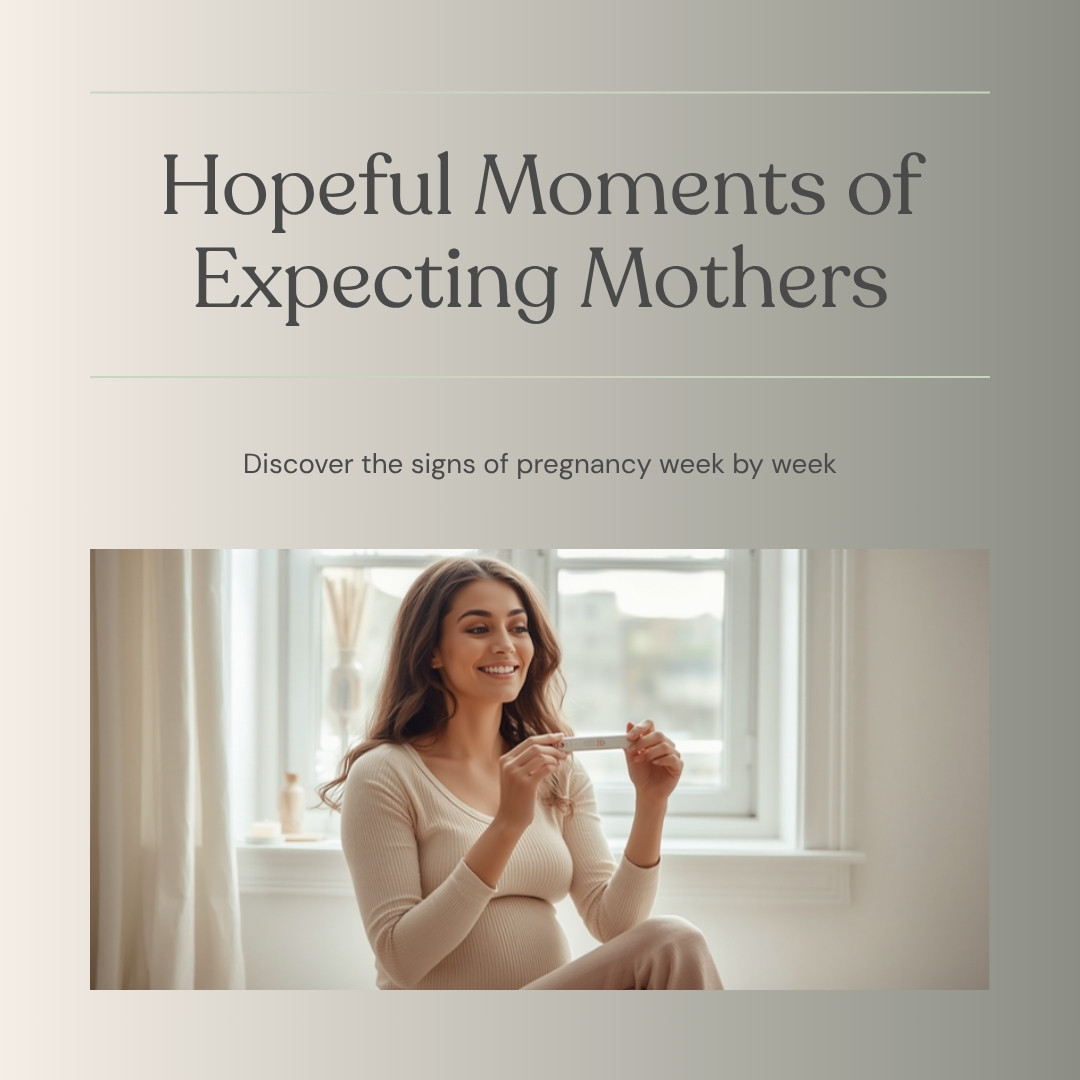
That "am I, or aren't I?" feeling is one of the most searched questions in early motherhood — and one of the most emotional. Whether you're hoping for two lines or bracing for them, here's a gentle, clear guide to the earliest signs of pregnancy and when to test.
A note of care: This is general information, not medical advice. Confirm any pregnancy with a test and your healthcare provider.
When Do Early Pregnancy Symptoms Start?
Some people notice changes as early as one to two weeks after conception, though many feel nothing until a missed period. Symptoms are driven by rising hormones (especially hCG and progesterone), so they build gradually. Per the Mayo Clinic, the classic first clue for most is a missed period.
The Most Common Early Signs
A missed period
The most reliable early sign. If your cycle is usually regular and you're a week or more late, it's worth testing.
Tender, swollen breasts
Hormonal shifts can make breasts sore, heavy, or tingly within the first few weeks.
Fatigue
Rising progesterone can bring a bone-deep tiredness — the kind that hits mid-afternoon like a wave.
Nausea (with or without vomiting)
"Morning" sickness can appear any time of day, often between weeks 4 and 6. See our guide to natural morning sickness remedies.
Frequent urination
More blood flow to your kidneys means more bathroom trips, often surprisingly early.
Light spotting and cramping
Implantation can cause light spotting around the time your period was due — lighter and shorter than a normal period.
Food aversions and a heightened sense of smell
Suddenly repelled by coffee or a favorite food? A sharper nose and new aversions are common.
Mood changes
Big hormonal swings can bring tearfulness or irritability early on.
When to Take a Pregnancy Test
Home pregnancy tests are most accurate from the first day of a missed period. Testing too early can give a false negative because hCG hasn't risen enough. For best results, use first-morning urine and follow the instructions. The American Pregnancy Association has a helpful overview of test timing and accuracy.
What to Do After a Positive Test
- Start (or continue) a prenatal vitamin with folic acid — ideally 400+ mcg daily, per ACOG.
- Book your first prenatal appointment.
- Be gentle with yourself: rest, hydrate, and lean into soft, comfortable clothing as your body begins to change — our maternity wardrobe checklist can help you plan ahead.
When to Call Your Provider
Reach out promptly for heavy bleeding, severe one-sided pain, fever, or fainting — these can signal issues that need attention.
Frequently Asked Questions
What is the earliest sign of pregnancy?
For most people it's a missed period, though tender breasts, fatigue, and nausea can appear a bit earlier as hormones rise.
How soon can I take a pregnancy test?
Tests are most accurate from the first day of your missed period; testing earlier can produce a false negative.
Can you feel pregnancy symptoms in the first week?
Some people notice tender breasts or fatigue within one to two weeks of conception, but many feel nothing until later.
Are early pregnancy symptoms the same for everyone?
No — symptoms and their timing vary widely from person to person and even between pregnancies.
References & further reading
Keep reading
Pregnancy Style
The Best Maternity Loungewear for Every Trimester
Discover the softest maternity loungewear for every trimester. A trimester-by-trimester guide to comfy, bump-friendly pieces you'll live in — from Mom Comfort.
Postpartum
Postpartum Recovery Essentials: A Gentle Week-by-Week Guide
A soothing week-by-week postpartum recovery guide covering healing, comfort, and self-care essentials for the fourth trimester. From Mom Comfort.